Veterinary Surgery in Sharpsburg
Bringing your pet in for surgery can be an anxiety-inducing time for pet owners and animals alike. When pets are in such a vulnerable state, it’s essential to know that the veterinarian treating your pet is experienced and committed to caring for your pet as if it were their own.
That’s why it’s essential to use a trusted veterinarian for your pet’s surgery. Our Sharpsburg-based clinic excels in surgical procedures and understands the importance of safe anesthesia practices, precise surgical techniques, and attentive post-op care.
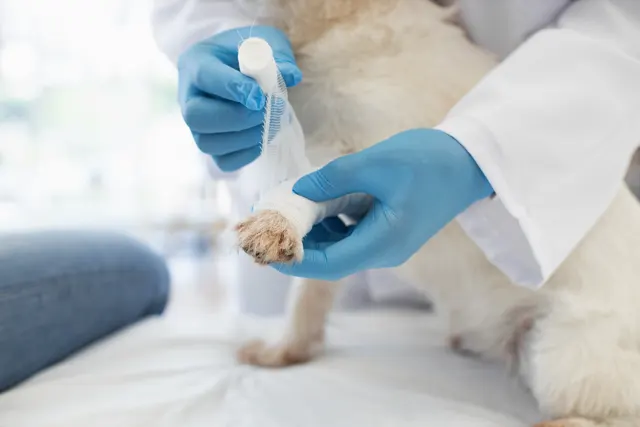
Why Choose East Coweta Veterinary Hospital for Your Pet’s Surgery
At East Coweta Veterinary Hospital, our highly-trained staff combines state-of-the-art equipment and technology with years of experience in surgical care to ensure your pet is getting the best possible care. Our team also adheres to strict safety and health protocols to keep animals fully protected during this sensitive time.
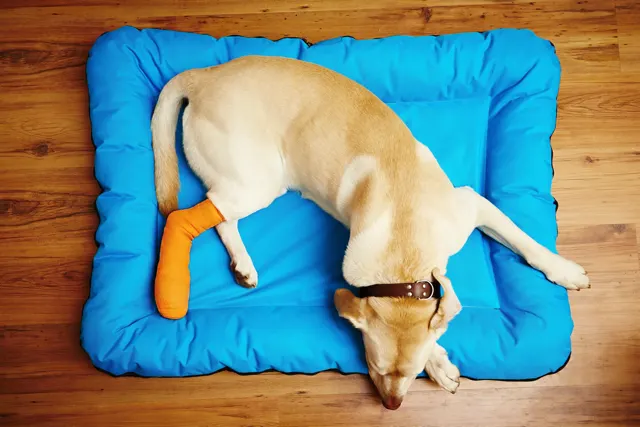
We understand that pet surgery is not a one-size-fits-all solution. Our team works diligently to ensure each animal is receiving the personalized attention it needs before, during, and after surgery.
The Importance of Skilled Surgical Care
While surgeries can be scary, they may be essential for treating issues in pets such as severe injuries, growth removals, and life-threatening emergencies.
Proper surgical care can improve a pet’s quality of life, manage pain, promote long-term healing, and extend their lifespan. Timely intervention and properly performed surgery can prevent further complications and, in some cases, directly save a pet’s life.
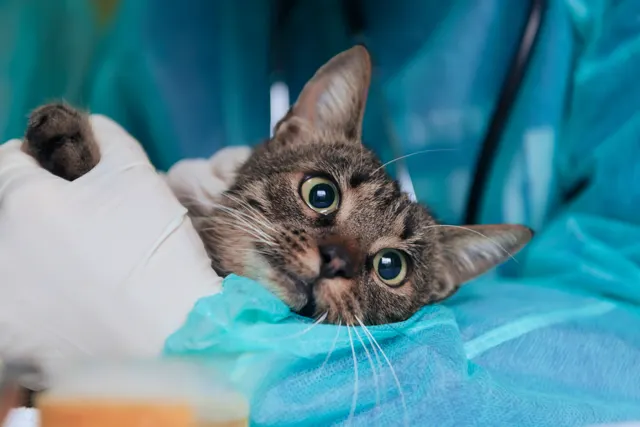
Surgical Services We Offer in Sharpsburg
Our Sharpsburg-based clinic offers a wide range of surgical services for common household pets, including:
Common Conditions That May Require Surgery
If you notice that your pet is experiencing persistent severe pain, an inability to eat or drink, abnormal growths, or severe changes in attitude and behavior, it may be a sign that surgical intervention is needed.
Of course, you should always first consult with a veterinarian for a full diagnosis before opting for surgery. However, surgery is likely needed for issues such as:
Cancerous or benign tumors
Fractures or dislocations
Torn ligaments (ACL/CCL tears)
Gastrointestinal blockages
Intestinal obstructions
Presence of a foreign object
Bladder stones or urethral blockages
Severe internal bleeding
Pre- and Post-Operative Care
Although most of the attention may be focused on the surgery itself, it’s also important to work with your veterinarian to ensure your pet has proper pre-and-post-operative care.
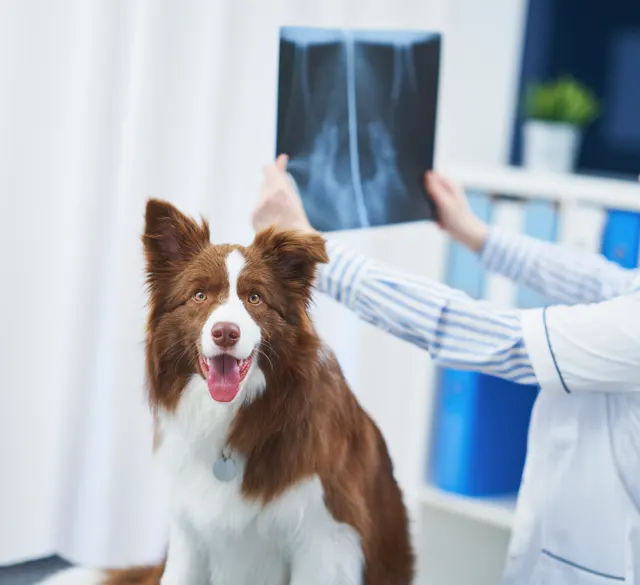
Our clinic has strict protocols before a pet has surgery, including bloodwork, diagnostic imaging, and anesthetic risk assessment, to ensure it is safe for them to undergo the procedure.
After the surgery is completed, your doctor will work with you to develop a customized care plan that addresses the needs of your pet. This may include medications for pain management or swelling reduction, wound-care instructions, and follow-up appointments to monitor progress and ensure proper healing.
Payment Options for Surgery at East Coweta Veterinary Hospital
At East Coweta Veterinary Hospital, we offer flexible financing and insurance options for Surgery. Sign up today with any of our payment plan partners or contact us for specific questions about insurance coverage. Read more about our financing options here.

Pay for treatments and routine visits over time with convenient monthly payments.

Scratch offers simple, transparent payment plans for your veterinary needs.

Protect your pet with insurance that covers exams, treatments, and emergencies. Contact us to learn which plans we work with.
Frequently Asked Questions About Pet Surgery
The fasting period before surgery will vary depending on the type of surgery. However, you’ll typically want to avoid giving your pet food for at least 12 hours before the surgery. Water intake may also be limited, although in some cases it may be OK up to a few hours before the procedure. Consult with your veterinarian to get an exact fasting time period.
The type of surgery, the overall age and health of your pet, their species, and how the surgery went all play factors in how long it will take to fully recover from surgery. It’s important to remember that surgery is a major life adjustment for pets, and they may need to go without exercise (including running and jumping) for several weeks, if not longer, to fully heal. Walks may be limited to bathroom breaks only until your pet has made a full recovery.
While it may be tempting to want to remain in the room when your pet undergoes surgery, it’s typically best to wait outside in a waiting area or even at home if it will be an extended procedure. This allows your doctor to completely focus on your pet and also ensures the area is fully hygienic and secure.
Book an Appointment at East Coweta Hospital
New pets are always welcome at East Coweta Hospital. Our friendly veterinary staff looks forward to providing our neighbors in Citrus Heights and surrounding communities with the veterinary care they need.
Book Online